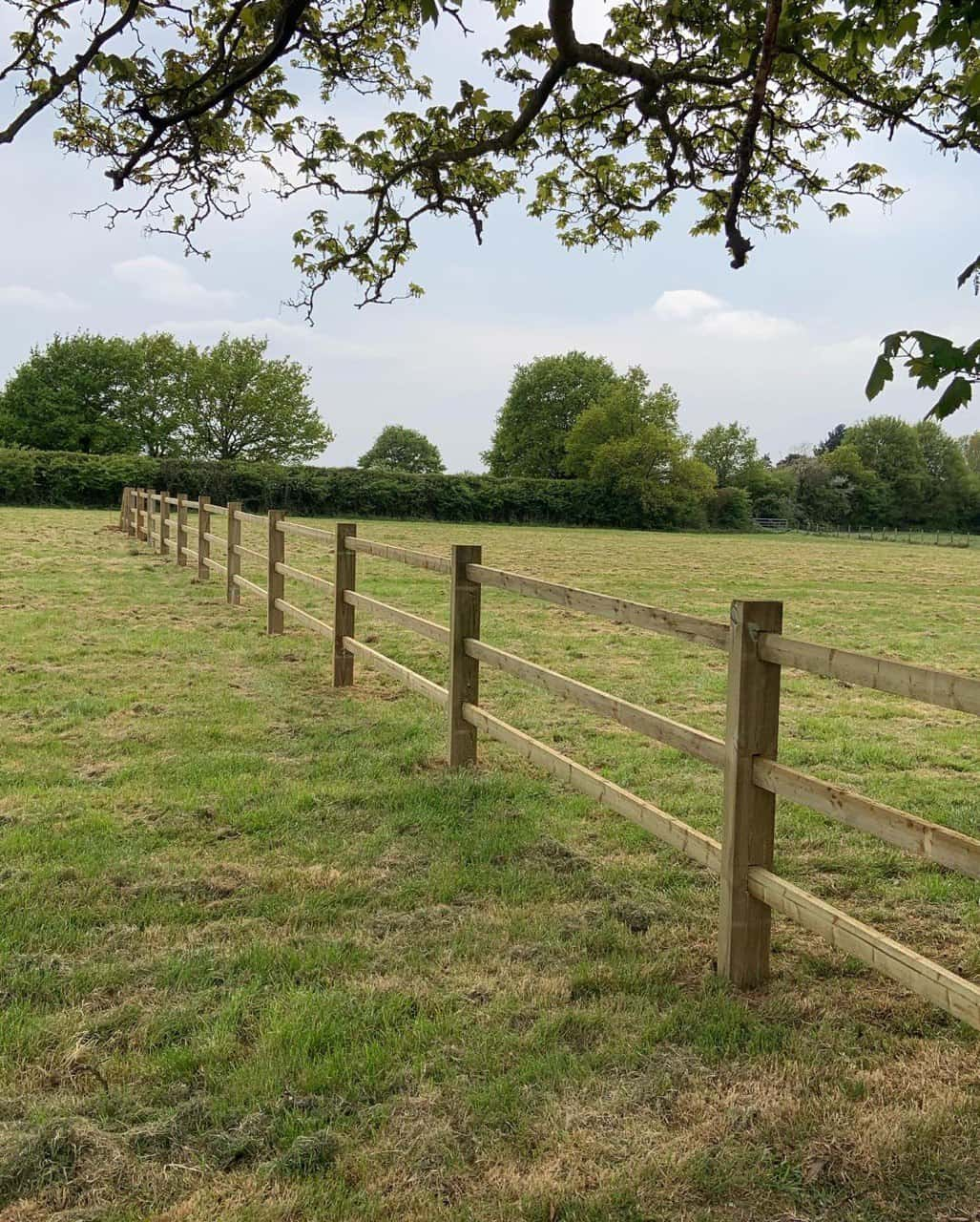
How to Choose the Right Stock Fencing for Your Land
Stock fencing is a practical way to define boundaries and manage livestock across agricultural land. It helps keep animals within designated areas while providing a clear division between fields, paddocks and other parts of a property. However, not all stock fencing is the same, and choosing an unsuitable design can lead to gaps, damage or ongoing maintenance problems.
The right fencing should reflect the type of animals being contained, the layout of the land and the conditions the fence will need to withstand. For landowners in Oxted, Surrey, considering these factors before installation can help create a secure and reliable boundary.
Consider Which Animals the Fence Needs to Contain
The type and size of livestock should be one of the first considerations when selecting stock fencing. Different animals have different behaviours and containment requirements, so the mesh design needs to be appropriate.
For example, sheep require fencing with smaller mesh openings near ground level to reduce the risk of them pushing through or becoming trapped. Cattle generally need a robust boundary that can withstand pressure from larger, heavier animals. Horses may require additional consideration because their legs can become caught in unsuitable mesh.
Before choosing a fence, think about:
- The type and size of livestock using the field.
- Whether young animals will need to be contained.
- The likelihood of animals leaning or pushing against the fence.
- Whether the fencing needs to prevent access by smaller animals.
Selecting the correct mesh configuration helps improve containment and reduces the likelihood of damage caused by animals testing the boundary.
Choose a Suitable Wire Mesh Design
Stock fencing is available in different mesh patterns, wire thicknesses and heights. The most suitable design depends on the animals being kept and the level of security required.
A graduated mesh pattern, where openings are smaller towards the bottom and larger towards the top, is commonly used for livestock fencing. This arrangement helps prevent smaller animals from passing underneath or through the lower sections while providing an effective boundary across the field.
Wire strength is also important. Heavier-duty fencing may be more appropriate where animals are likely to apply pressure regularly or where the boundary needs to withstand demanding conditions.
Choosing a suitable mesh design from the beginning can help avoid problems with containment and unnecessary repairs later.
Assess the Ground and Terrain
The condition and shape of the land can have a significant influence on stock fence installation. Flat, even ground is generally easier to fence, whereas sloping or uneven areas require more careful planning.
Changes in ground level can create gaps beneath the mesh if the fence is not fitted correctly. These gaps may allow animals to escape, particularly where the land dips or rises along the boundary.
It is also important to consider the ground itself. Soft, loose or waterlogged soil may affect how securely fence posts can be installed. A suitable post depth and secure fixing method help maintain stability over time.
For land in Oxted, assessing the terrain before installation helps ensure the fence follows the natural contours of the property without compromising its effectiveness.
Select Strong and Appropriate Fence Posts
Fence posts provide the support needed to keep stock fencing upright and under tension. Even good-quality wire mesh can become ineffective if the posts are weak, poorly positioned or inadequately secured.
Timber posts are commonly used for stock fencing, with their suitability depending on the intended application and ground conditions. The spacing between posts also matters. If posts are too far apart, the wire may sag or become more vulnerable to pressure from livestock.
Straining posts are particularly important at corners, changes in direction and the ends of fence runs. These provide the strength needed to maintain tension across longer sections of fencing.
A properly planned post layout helps the entire fence remain stable and functional.
Consider Gates and Access Points
A stock fence should provide effective containment without making everyday access difficult. Gates need to be positioned where they are practical for moving livestock, vehicles and equipment.
Consider how frequently each entrance will be used and whether the gate needs to accommodate larger machinery. The surrounding fence should connect securely to the gate posts, as poorly finished junctions can create weak points where animals may escape.
For larger areas of land, planning access points before installation can make routine maintenance and livestock management more convenient.
Think About Maintenance and Long-Term Performance
Stock fencing is exposed to changing weather conditions, ground movement and regular contact with animals. Choosing durable materials and ensuring the fence is installed correctly can reduce the likelihood of recurring problems.
Routine checks should include looking for loose wires, leaning posts, damaged mesh and gaps along the bottom of the fence. Vegetation should also be managed where it begins to interfere with the wire or place pressure on the structure.
Promptly addressing minor defects can help prevent more extensive damage and keep the boundary effective.
Why Professional Stock Fencing Installation Matters
Installing stock fencing involves more than attaching wire mesh to a line of posts. The fence needs to follow the land correctly, maintain suitable tension and provide secure containment for the intended animals.
Professional installation helps ensure that post positions, mesh specifications, corner supports and access points are considered as part of the overall design. This is particularly useful on larger or uneven plots where small installation mistakes can affect the entire fence line.
Fast Fix Fencing Oxted can help landowners in Oxted, Surrey, choose a practical fencing solution suited to their property and requirements.
Conclusion
Choosing the right stock fencing involves considering the animals being contained, the mesh design, ground conditions, post strength and access requirements. When these elements are planned together, the result is a more dependable boundary that supports effective land and livestock management.
If you are planning new stock fencing or need to replace an existing boundary, contact Fast Fix Fencing Oxted to discuss your requirements and arrange professional fencing services in Oxted, Surrey.
Call us on: 01883 770 894
Click here to find out more about Fast Fix Fencing Oxted
Click here to complete our contact form and see how we can help with your fencing needs.